The Ultimate Guide to Managing Negative Reviews for Your Business
Rick Bengson
Founder, CEO
February 13, 2026
Turn Bad Reviews Into Growth
TL-DR Negative reviews don’t destroy reputations — poor responses do. The fastest way to protect revenue and trust is to systemize how you prevent, respond to, and resolve feedback before it escalates publicly.
Prevent public damage with a two-stage feedback funnel. Respond within 24 hours using a structured framework. Resolve issues privately before requesting review updates. Automate monitoring across platforms. Track response and sentiment trends to improve operations long-term. Businesses that systemize review management build trust, strengthen local SEO, and convert more prospects.
Turn Customer Complaints Into Revenue Growth
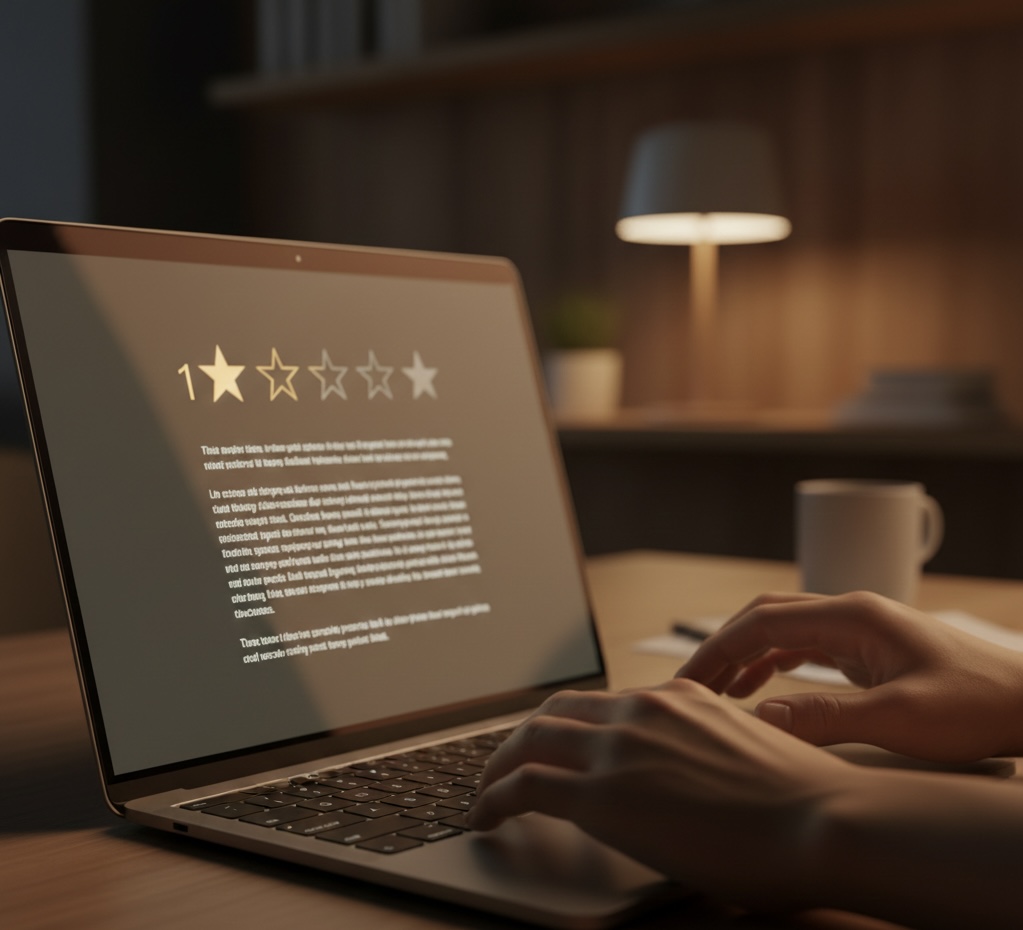
You wake up, grab your phone, and there it is a one-star Google review calling your business "unprofessional" with zero context. Your stomach drops. You want to respond immediately, defend yourself, maybe even call the customer out. But you pause, knowing that what you say next could either salvage your reputation or tank it further.
Here's what most local business owners don't realize: negative reviews aren't just reputation threats they're revenue opportunities in disguise.The businesses that master negative review management don't just protect their star rating; they convert complainers into loyal customers, demonstrate professionalism to future buyers, and outrank competitors who panic and ignore feedback.
This guide will show you exactly how to build a systematic approach to managing negative reviews that strengthens your business instead of damaging it. You'll learn the frameworks that convert hostile customers, the response templates that build trust with prospects, and the automation systems that prevent negative reviews from happening in the first place.
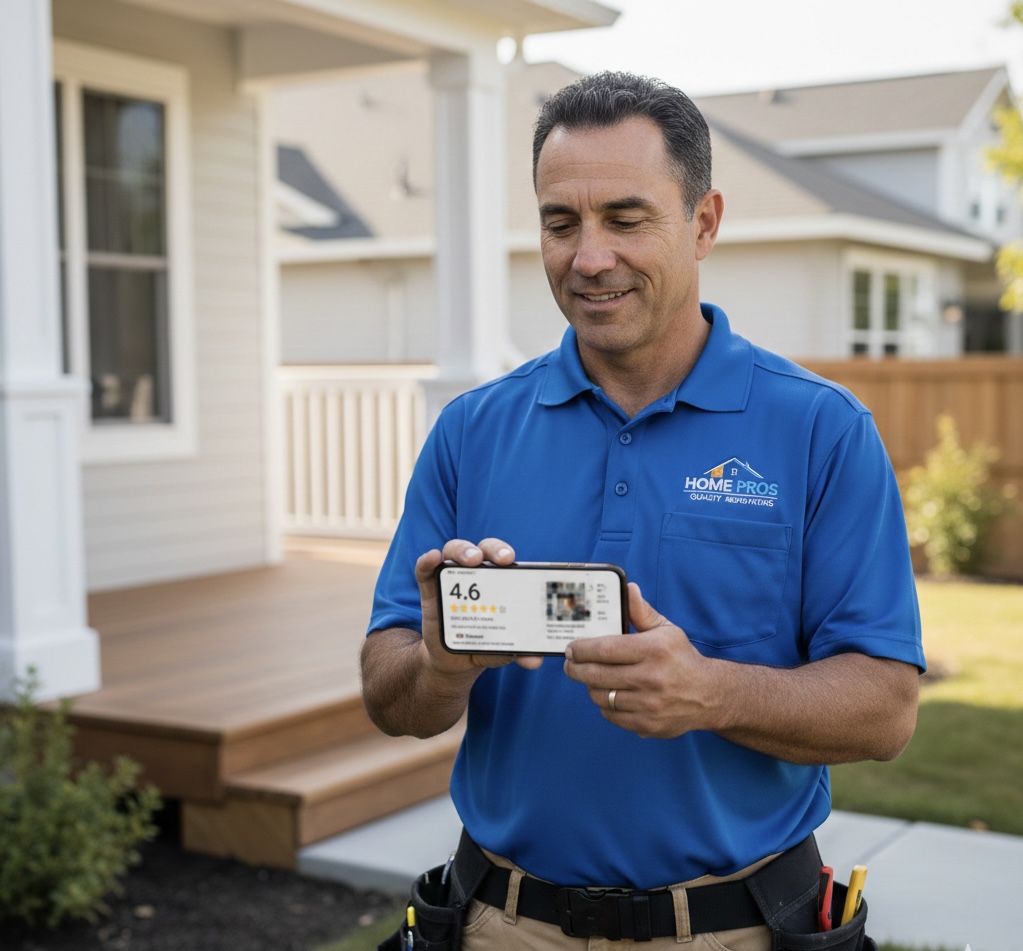
Think about it. When you're choosing between two plumbers both with 4.6 stars what's the tiebreaker? You read the bad reviews. You want to see:
How the business responds when things go wrong
Whether the owner takes responsibility or makes excuses
If problems get resolved or ignored
Whether the business sounds defensive or professional
A single well-handled negative review can generate more trust than ten glowing reviews. Why? Because it proves you're real, you care about customer experience, and you fix problems when they arise.
But here's where most business owners get it wrong: they treat negative review management as damage control instead of reputation building. They either ignore bad reviews entirely, respond emotionally, or copy-paste generic corporate apologies that fool no one.
The businesses winning local search rankings and converting more customers? They use negative reviews strategically.
The Hidden Cost of Ignoring Negative Reviews
Before we get into solutions, understand what's at stake:
Local SEO Impact
Google confirms that businesses should respond to reviews to show engagement and customer care.. Businesses that respond to reviews especially negative ones signal active reputation management and customer engagement. Your competitor down the street who responds to every review? They're likely outranking you partially because of that.
Conversion Rate Damage
According to BrightLocal's research, 94% of consumers say a negative review has convinced them to avoid a business. Studies also show that responding to customer reviews can significantly increase customer advocacy and repeat business.But here's the critical detail: 45% say they're more likely to visit a business that responds to negative reviews. The response matters more than the review itself.
Revenue Leakage
Every unaddressed negative review costs you customers you'll never see. They don't call. They don't visit. They just choose someone else. One bad review can cost a local business $30,000 annually in lost revenue based on average customer lifetime value calculations.
Employee Morale
Your team sees these reviews too. When negative feedback goes unaddressed, your employees internalize that you don't care about service quality. This creates a culture where problems persist instead of getting fixed.
The businesses that understand these stakes build reputation management systems, not panic responses.
Business owner responding to negative online review
The Strategic Framework: The 4-Part Negative Review Response System
Here's the system that turns negative reviews from threats into trust-building opportunities:
Respond within 24 hours. Period. Here's why this matters:
When you respond quickly, three things happen:
The reviewer feels heard (increasing the chance they'll modify or remove the review)
Future customers see you're actively engaged
Google's algorithm registers active management
Set up a notification system through your automated review request system so you're alerted immediately when negative feedback arrives. Don't wait until you "feel ready" to respond speed matters more than perfection.
Part 2: The Response Architecture
The right review response isn’t guesswork. With the right review response automation tools, you can structure replies that protect your reputation and build trust.
Every negative review response should follow this proven structure:
Step 1: Acknowledge and Validate
Start by recognizing their experience without necessarily agreeing with their interpretation. Use their name if possible.
✖ Wrong: "We're sorry you feel this way..."
✔ Right: "Thank you for sharing this feedback, Jennifer. I understand your frustration with the wait time you experienced."
The phrase "sorry you feel this way" is dismissive. It suggests their feelings are the problem, not your service.
Step 2: Take Responsibility (Even for Things Outside Your Control)This doesn't mean admitting fault for things you didn't do. It means owning the customer experience.
✖ Wrong: "Our technician was late because traffic was bad."
✔ Right: "You're right that we didn't meet the arrival window we promised. That's on us, and we should have communicated better when we hit delays."
Notice the difference? One makes excuses. The other acknowledges impact.
Step 3: Explain What Happened (Without Excuses)Give context briefly and factually. Future readers deserve to understand the situation.
Example: "We had an emergency call that morning that pushed our schedule back. We should have contacted you immediately to reschedule rather than leaving you waiting."
Keep this short. One to two sentences maximum.
Step 4: Describe Your Corrective Action
This is the most important part. Show what you're doing to prevent this from happening to future customers.
✖ Wrong: "We'll try to do better next time.
✔ Right: "We've implemented a new scheduling buffer system and automated text updates so customers receive real-time arrival notifications. We're also adding two service vehicles next month to prevent backlog situations."
This tells future readers: "This business learns from mistakes and invests in solutions."
Step 5: Offer Private Resolution
Always include a direct line for offline conversation.
"I'd like to make this right. Please call me directly at [phone] or email [email]. I personally oversee customer experience issues and will ensure we resolve this properly."
This serves two purposes:
It might convert the reviewer into a satisfied customer who updates their review
It shows future readers you don't just apologize you solve problems
Part 3: The Strategic Follow-Up
Here's where most businesses stop, but high-performing reputation management platforms automate this critical step:
48-Hour Follow-Up If the customer contacts you privately, resolve the issue and ask if they'd consider updating their review based on the resolution.
Script: "I'm glad we could resolve this, Jennifer. Would you be willing to update your Google review to reflect how we handled this situation? I'd really appreciate it, and it helps other customers understand how seriously we take service recovery."
Don’t ask them to delete it ask them to update it. A one-star turned three-star with a note like “They made it right” is more powerful than a deleted review.
The best negative review strategy is preventing them from happening. This requires building feedback loops before customers hit Google using a negative review prevention system that routes unhappy customers into private resolution channels first.
Implement a two-stage review funnel:
Stage 1: Internal feedback collectionSend automated requests 24-48 hours after service asking customers to rate their experience on a simple scale. Use tools from your automated review request system that trigger based on job completion or purchase date.
If they rate 4-5 stars → Route them to Google, Facebook, or your preferred public review platformIf they rate 1-3 stars → Route them to a private feedback form where you can address issues before they go public
Stage 2: Rapid issue resolutionTrain your team to treat any sub-4-star internal rating as a priority. Call the customer within 4 hours. Solve the problem. Then—and only then ask if they'd be willing to leave public feedback based on the resolution.
This approach has been shown to reduce negative public reviews by 60-70% while simultaneously increasing overall review volume.
TL-DR Negative reviews require a repeatable system, not emotional reactions. When handled strategically, they become opportunities to strengthen trust, improve visibility, and demonstrate accountability publicly.
Reply within 24 hours to signal active management. Follow a structured 5-step response: acknowledge, take responsibility, explain briefly, outline corrective action, and offer private resolution. Follow up after resolving the issue and request an updated review. Install a prevention system that routes unhappy customers to private feedback before complaints go public. Businesses that systemize review management build trust faster, improve local SEO rankings, and convert more prospects.
The Serial Complainer
Check their review history. If they leave one-star reviews for 80% of businesses they encounter, future customers will see that pattern too.
Your response should be professional but firm:
"We appreciate you sharing your experience. We strive for excellence with every customer and take feedback seriously. We reviewed our service records and can confirm we followed our standard protocols for [service type]. Our 4.8-star rating from over 300 customers reflects our typical service quality. If there's something specific we could have done differently within our service scope, I'm available to discuss at [phone]."
You've acknowledged them without accepting blame, and you've reminded future readers that you have strong ratings from hundreds of others.
The Justified Complaint
When you genuinely dropped the ball, own it completely:
"You're 100% right, and I apologize. We completely missed the mark on [specific failure]. This happened because [brief honest explanation], and it's not acceptable. We've already implemented [specific corrective action] to prevent this from happening again. I'd like to personally make this right—please call me at [phone]. We value your business and want the chance to show you the service quality we're known for."
This level of accountability often converts the angriest customers into your biggest advocates.
The Reputation Management Automation Advantage
Here's the reality: manually monitoring reviews across Google, Facebook, Yelp, and industry-specific platforms while running your business is unsustainable. The businesses with the strongest reputations don't work harder they automate smarter.
All reviews from every platform appear in one dashboard with instant notifications. You're never blindsided by a week-old negative review you didn't see.
Response Templates with Customization
Pre-built response frameworks that you customize for each situation. Respond in 5 minutes instead of 30 while maintaining a personal, professional tone.
Automated Review Requests at Optimal Timing
The system triggers review requests at the moment of peak customer satisfaction right after successful service delivery maximizing positive review volume that naturally dilutes negative feedback.
Feedback Routing Intelligence
Happy customers automatically get directed to public review platforms. Unhappy customers get routed to private channels where you can resolve issues before they go nuclear.
Performance Analytics
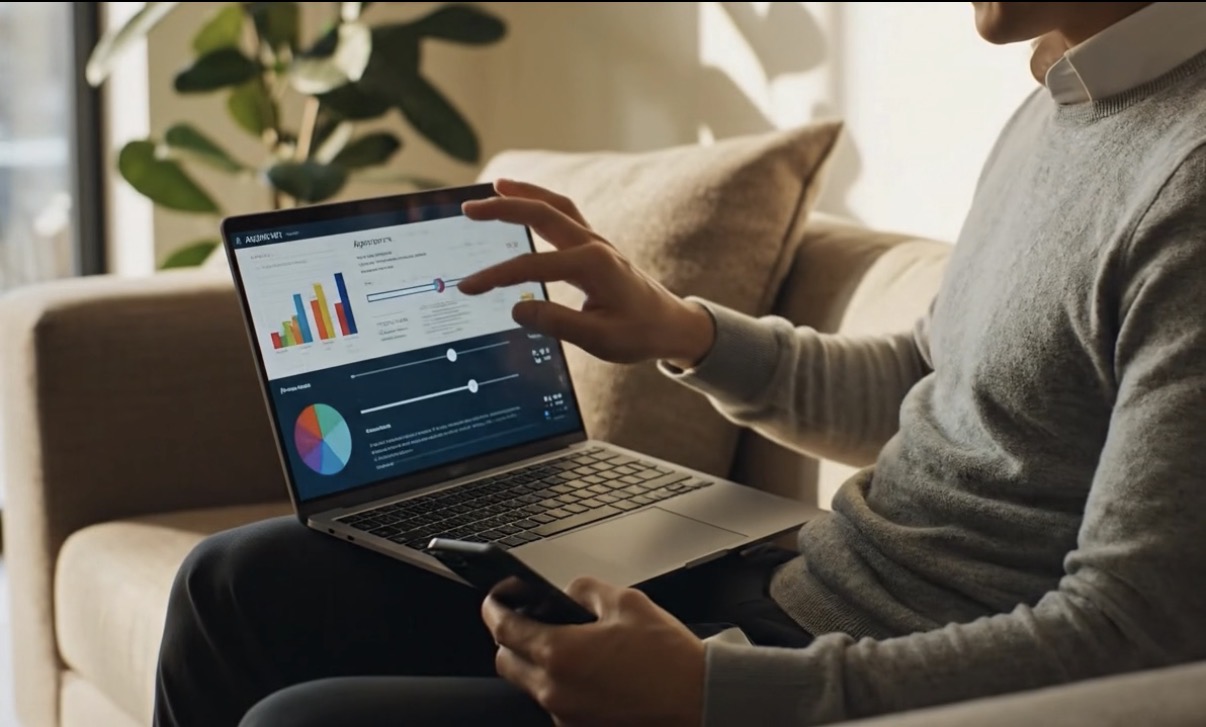
Track response rate, average resolution time, review sentiment trends, and conversion impact. Manage what you measure.
The businesses that invest in these systems don't just save time they generate 3-5x more reviews than competitors while maintaining higher average ratings.
Common Mistakes That Make Negative Reviews Worse
Avoid these reputation-destroying errors:
Mistake 1: The Defensive Response
"That's not what happened..." or "You're wrong about..." instantly makes you look unprofessional to future readers. Even if the customer is completely wrong, defensive responses damage your credibility.
Mistake 2: The Template Apology
'We're sorry you had a bad experience. Your feedback helps us improve." This corporate non-apology fools nobody and suggests you don't actually care about the specific issue.
Mistake 3: Sharing Private Customer Information
Even if you're trying to prove your side, revealing customer details in a public response violates trust and potentially legal boundaries. Keep specifics vague or move the conversation offline.
Mistake 4: Asking Friends/Employees to Report the Review
If three customers in a month complain about the same issue, that's not a customer problem—it's an operations problem. Fix the root cause instead of just managing reviews.
The Review Recovery Playbook: Turning 1-Star Into 5-Star
When you genuinely resolve a negative review situation, here's how to maximize the reputation benefit:
Step 1: Document the resolution
Take photos, save emails, keep records of what you did to fix the problem. This creates accountability and proof.
Step 2: Follow up 48-72 hours after resolution
Don't ask immediately. Let the solution sit. Then reach out: "Just checking in to make sure everything is working well after [resolution]. Is there anything else we can do?"
Step 3: Make the ask natural"
I noticed your Google review is still there from before we resolved this. Would you consider updating it to reflect how we handled the situation? It would really help other customers understand our commitment to making things right."
Step 4: Make it easy
Send them a direct link to edit their review. Most people don't know how, and friction kills follow-through.
Success Rate RealityYou won't convert every negative review. But if you resolve the issue well, 30-40% of customers will update their review, and another 20% will remove it entirely. That's a massive reputation improvement.
Measuring Negative Review Management Success
Track these metrics monthly:
Response rate: Aim for 100% response to negative reviews within 24 hours
Average response time: Under 12 hours is excellent
Resolution rate: Percentage of negative reviewers who agree to private discussion
Update rate: Percentage of negative reviews that get modified or removed after resolution
Net sentiment trend: Are negative reviews declining as you fix operational issues?
Review volume growth: More total reviews naturally dilutes negative impact
The goal isn't zero negative reviews that's unrealistic and actually makes businesses look suspicious. The goal is a strong overall rating with well-handled negative feedback that demonstrates professionalism.
Negative Review Management in 60 Seconds
Negative reviews don’t destroy businesses — ignoring them does. 86% of customers read reviews before choosing a local business, and they judge you by how you respond to complaints. A well-handled 1-star review can build more trust than generic 5-star praise. Fast, structured responses not only protect your reputation but also strengthen local SEO and conversion rates.
Negative reviews will happen. The question is whether you'll let them damage your business or use them as opportunities to demonstrate the professionalism that converts prospects into customers.
The difference between businesses that survive negative reviews and those that thrive because of how they handle them comes down to systems, not effort.
Review Crusher AI helps local businesses build exactly these systems. Our reputation management platform automates review monitoring across all major platforms, triggers review requests at the moment of peak customer satisfaction, routes unhappy customers to private feedback channels before they damage your public reputation, and gives you response tools that turn negative situations into trust-building opportunities.
Stop letting negative reviews control your business growth. Start building a reputation system that works even when you're not watching.
Ready to build a reputation that drives revenue?
Get started for free and see how automated reputation management turns customer feedback into measurable growth.
Book a demo of Review Crusher AI and see how automated reputation management turns customer feedback into your competitive advantage.
Our clients generate 3-5x more reviews than competitors while maintaining higher ratings and converting more prospects because they've systematized what everyone else is doing manually.
Your reputation is your revenue. Manage it like it matters.
FAQ
See below for concise answers to common questions.
What are the best practices for managing online reviews?
Combine timely public replies with proactive review requests. Send review invites 30–90 minutes after simple purchases or 24–48 hours after appointments. Tag reviews by issue and run a weekly triage meeting to assign fixes. Automate routine follow-ups but keep responses human. Maintain a short library of editable reply templates and one person responsible for consistency.
How can positive reviews impact my business?
Positive reviews increase conversion for search viewers and reduce the relative weight of negatives. Practically, a stream of recent positive comments improves perceived reliability—callers are likelier to book, and first-time visitors use reviews to judge wait expectations and service quality. Use specific testimonials on booking pages to address common objections like pricing or punctuality.
What tools can help me manage my business's reputation?
Look for tools that schedule review requests, group reviews by sentiment, and suggest reply drafts. Choose solutions that integrate with your POS or booking system so requests send automatically after checkout or appointment completion. A response-assist system such as ReviewCrusher.ai can queue follow-ups and provide templated replies you edit; ensure whatever tool you pick keeps human oversight in the loop.
Why is it important to engage with customer feedback?
Engagement shows customers you care and creates opportunities to fix issues before they recur. Public replies reduce the chance a dissatisfied customer escalates, while private follow-ups can recover relationships. Internally, reviews are inexpensive operational research: recurring themes point to specific fixes—staffing, training, signage—that improve service and reduce future complaints.
How does review management software work for small businesses?
Small-shop review tools typically connect to your POS or order log to send timed review requests, centralize comments from Google/Yelp/Facebook, and offer response templates. They reduce manual effort by automating outreach and flagging negative reviews for manager attention. You can set quiet hours and limits to avoid over-messaging. ReviewCrusher.ai, for example, can automate requests tied to completed orders and provide a single inbox for review replies, which saves staff time and ensures consistency.
What should I do if I receive a negative review?
Respond publicly within 24 hours with a brief apology and invitation to discuss offline. Example: “We’re sorry to hear this — can you DM or call us at [number] so we can make it right?” Then handle details privately: check booking notes, offer a concrete repair (touch-up, refund, or booking credit), and schedule the fix. Keep public replies short and factual to demonstrate accountability to future clients.
Protect Your Reputation
Stop juggling reviews across different platforms. Centralize everything with ReviewCrusher’s review management software and start getting more reviews in less time.